






The allure of risk and reward
The excitement of gambling often stems from the allure of risk and the potential for substantial rewards. This dynamic creates an intoxicating atmosphere in casinos, where the anticipation of a big win captures the imagination of players. People are naturally attracted to risks, often fueled by the thrill of uncertainty, as many now opt for an online casino experience that offers various games. The possibility of winning significant sums can trigger a rush of adrenaline, reinforcing the desire to keep playing despite the inherent risks involved. This interplay of risk and reward not only draws players in but also keeps them engaged for longer periods, as they chase the next big win.
This psychological thrill is intricately linked to the brain’s reward system, which releases dopamine when players engage in gambling activities. The high stakes of betting can make the experience even more exhilarating, as players often find themselves caught in a cycle of chasing losses or anticipating wins. Many individuals may even experience a euphoric state when placing bets, leading them to overlook the potential negative consequences that can arise from gambling addiction. This cycle can create a powerful compulsion, driving players to gamble more frequently and with larger amounts than they initially intended.
Moreover, the design of casinos is specifically tailored to enhance this thrill. With vibrant lights, captivating sounds, and carefully crafted layouts, casinos create environments that keep players engaged and excited. They are designed to stimulate the senses, making it difficult for players to resist returning for more. For example, the sounds of coins clinking and the flashing lights of slot machines can evoke feelings of joy and anticipation, creating a sensory experience that is hard to replicate elsewhere. The combination of risk and reward serves as a powerful motivator, driving many individuals to frequent these establishments in hope of striking it rich.
The social aspect of gambling
The social dynamics inherent in casino environments significantly affect the psychology of players. Many individuals visit casinos not only for the gambling experience itself but for the social interactions that accompany it. Engaging with fellow players and sharing in the excitement of wins and losses creates a communal atmosphere that can enhance the enjoyment of gambling. This social interaction can also lead to a sense of belonging, which is a fundamental human need that influences behavior in various aspects of life, including gambling.
Furthermore, the presence of friends or family members can influence a player’s decisions and betting behavior. Many people feel more emboldened to take risks in a group setting, as they are buoyed by the company of others. This camaraderie can lead to shared experiences that reinforce the joy of gambling, but it can also normalize excessive play and diminish the perception of risk. The collective experience of gambling can create an environment that encourages players to engage in behavior they might avoid if they were alone, making it easier to overlook the potential downsides of gambling.
Moreover, social media has also played a role in shaping how people engage with gambling. Online platforms allow players to share their experiences, successes, and strategies with a broader audience, fostering a culture that celebrates big wins. This communal sharing can perpetuate the cycle of gambling by illustrating not only the positive outcomes but also creating a perceived social pressure to continue participating in gambling activities to maintain one’s social standing among peers. Social media can amplify the highs of gambling while downplaying the lows, skewing reality for many individuals.
The role of cognitive biases
Cognitive biases significantly influence how casino players perceive their chances of winning and losses. One common bias is the illusion of control, where players believe they can influence the outcome of games of chance through their skill or strategies. For instance, many people think that they can increase their odds of winning by choosing specific slots or betting patterns, despite these outcomes being purely random. This illusion can lead to increased gambling because individuals feel empowered to control their fate, even when the odds do not support this belief. The belief in personal agency can be a powerful motivator, driving individuals to gamble more.
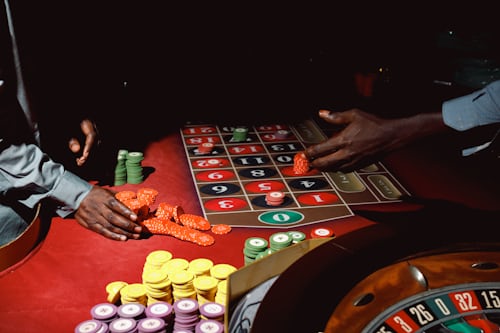
Another relevant cognitive bias is the gambler’s fallacy, where individuals mistakenly believe that past results will affect future outcomes. For example, a player might assume that because a roulette wheel has landed on black several times in a row, a red outcome is “due.” This misconception can lead to poor decision-making and increased betting, as players chase losses with the belief that their luck will change. Understanding these biases is crucial for recognizing how they contribute to compulsive gambling behavior, as players often act irrationally based on skewed perceptions of probability.
Additionally, the framing of outcomes can play a pivotal role in how players perceive their gambling experiences. When players focus on wins, even if small, rather than the cumulative amount they have lost, they can misinterpret their overall gambling behavior as successful. This skewed perception can reinforce continued play and further entrench individuals in cycles of gambling, despite the negative financial impacts that may arise. By learning about these cognitive biases, players can develop a more realistic understanding of their gambling habits and the true nature of chance.
The impact of time perception
Time perception also plays a critical role in the psychology of casino players. When individuals are engaged in gambling, they often lose track of time, creating a phenomenon known as time distortion. This altered perception can lead players to spend more time gambling than they originally intended, as they become immersed in the thrill of the game. The environment of the casino, with its lack of clocks and natural light, can exacerbate this effect, making it easy for players to remain unaware of how much time has passed. This disorientation can lead to longer gambling sessions and increased spending.
Moreover, the feeling of time dilation can be linked to the intensity of the gambling experience itself. Players often report that time seems to fly when they are winning or are in a state of flow, where they are fully immersed in the activity. Conversely, losing bets might lead to a feeling of time dragging on, as players become fixated on their losses. This fluctuation in time perception can influence betting patterns and exacerbate impulsive gambling behaviors, as the thrill of the game overshadows the practical consideration of time management.
Understanding the psychological underpinnings of time perception can help individuals become more mindful of their gambling habits. Recognizing that time can feel distorted while playing is an essential component of responsible gambling. By setting time limits and being aware of the tendency to lose track of hours, players can take actionable steps to maintain control over their gambling activities and minimize the risk of developing harmful habits. This awareness can foster a healthier approach to gambling, allowing individuals to enjoy the experience without falling victim to its potential pitfalls.
Responsible gaming and support resources
Given the complex psychological factors at play in casino environments, responsible gaming practices are essential for ensuring player safety and well-being. Casinos have a responsibility to provide information about the potential risks of gambling and to promote healthy behaviors among their patrons. This includes offering tools such as self-exclusion programs, which allow players to limit their access to gaming facilities and help them maintain control over their gambling habits. Responsible gaming initiatives aim to create a safer environment for players, reducing the likelihood of developing harmful behaviors.
Additionally, numerous support resources exist for individuals struggling with gambling addiction. Organizations dedicated to helping problem gamblers offer counseling, support groups, and educational resources aimed at fostering healthier gambling habits. These initiatives are crucial in providing players with the knowledge and support they need to recognize the signs of problematic gambling behaviors and take action to address them. Access to these resources can be a lifeline for those who find themselves caught in a cycle of gambling that they cannot escape on their own.
Furthermore, fostering a culture of empathy and understanding can significantly contribute to reducing the stigma associated with gambling addiction. Encouraging open conversations about the psychological aspects of gambling can help normalize seeking help among those who need it. By acknowledging the complexities of gambling behavior and the importance of mental health, society can better support individuals in finding the resources they need for recovery and responsible gaming. Creating an environment where individuals feel safe to discuss their experiences can lead to more effective prevention and intervention strategies.